

Knowing what you'll actually feel during root canal therapy in Clearwater can completely change your experience. Most people dread root canals because of outdated information or scary stories. The truth is that modern treatment is far more comfortable than most patients expect, and Dr. Jason Kopakin at Boulevard Dental walks you through every stage so there are no surprises.
Fear of the unknown is often the biggest source of dental anxiety. When you know what to expect at each step, that fear loses its grip. Here's the procedure from start to finish, focused on what you feel, not just what happens clinically.
Before Treatment Begins: Getting Numb
First, Dr. Kopakin applies a topical numbing gel to your gum. It works quickly and dulls the area before any injection, and most patients are surprised by how little they feel. This takes just a minute or two.
Next comes the local anesthetic. You may notice mild pressure or a slight pinch, which many patients describe as far easier than they imagined. Within a few minutes, the tooth and surrounding area are fully numb.
Dr. Kopakin then gently tests the area to confirm you feel no sharp sensation before going further. From here on, you should feel nothing more than light pressure. If anything feels sharp at any time, simply raise your hand and treatment pauses immediately.
During the Procedure: Pressure and Vibration, Not Pain
Once you're numb, a small rubber dam is placed around the tooth to keep it clean and dry. You may feel slight pressure as it's secured, but no pain, and you can still breathe and swallow normally.
Next, a small opening is made in the top of the tooth. You'll hear the sound of the drill, which is perfectly normal. What you actually feel is gentle vibration and mild pressure, with no sharp or shooting pain when the area is properly numb.
The core of the treatment
- Tiny instruments remove the infected pulp tissue inside the tooth
- Each canal is carefully shaped with precise files
- The canals are flushed with a gentle cleaning solution
- You feel pressure and vibration throughout, not pain
- This cleaning stage typically takes 30 to 60 minutes
You may notice occasional moments of dull pressure as the instruments reach deeper. That's normal and doesn't mean the anesthetic is wearing off. Dr. Kopakin monitors your comfort the whole time and adjusts as needed.
Filling and Sealing the Tooth
With the canals cleaned and shaped, Dr. Kopakin fills them with a rubber-like material called gutta-percha, sealing them permanently against future infection. You'll feel some pressure, but typically no pain at all.
A temporary or permanent filling then closes the opening. We check your bite to make sure it feels even and make any small adjustments before you leave. Most patients compare the whole experience to a standard filling; the main difference is the length of the visit, not the level of discomfort.
After You Leave: What's Normal
Once the anesthetic wears off, mild soreness around the treated tooth is common. It usually starts a few hours after your visit, responds well to over-the-counter pain relievers, and fades within two to four days. It's normal to notice:
- Mild tenderness when biting or chewing on that side
- Slight sensitivity in the gum near the tooth
- A feeling of fullness or pressure around the tooth
- General jaw fatigue from keeping your mouth open
These are all signs of normal healing. Swelling is uncommon but possible. Call our office if pain gets significantly worse after the first two days.
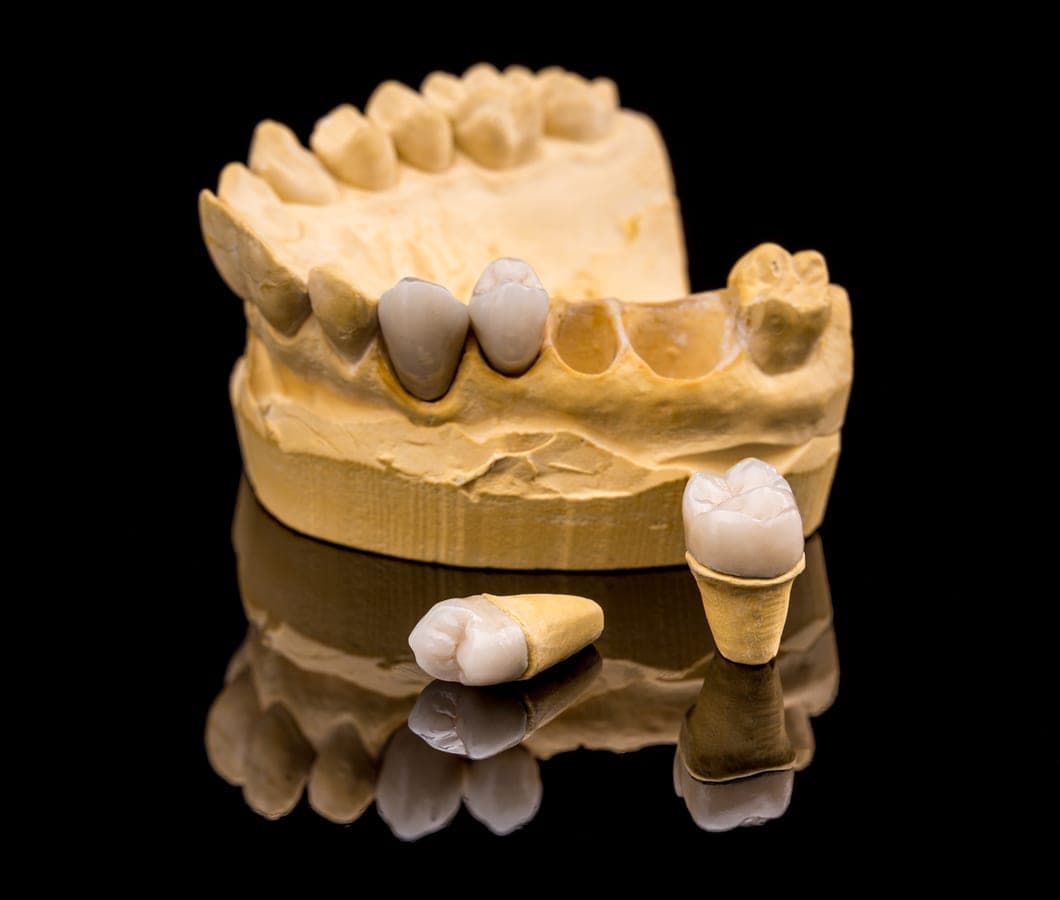
After healing, most patients need a dental crown over the treated tooth to restore its full strength and function. Dr. Kopakin will discuss timing and next steps with you before you leave.
Why Treating a Tooth Infection Early Matters
Many patients delay a root canal because they fear the procedure. Unfortunately, waiting usually makes things more complicated: an infected tooth can spread bacteria to nearby teeth and tissue. Acting early means simpler treatment and a faster recovery.
If you have severe tooth pain, swelling, or a suspected abscess, our emergency dentistry team sees urgent cases promptly. And once you've healed, Dr. Kopakin can talk with you about cosmetic options like whitening or veneers to complete your smile.
Root Canals Aren't What You Think
Modern root canal treatment is one of the most misunderstood procedures in dentistry. Most patients feel only mild pressure and hear ordinary dental sounds. If anxiety has kept you from treatment, you're not alone, and our team takes the time to explain everything first. You're always in control of the pace.
A root canal saves your natural tooth, clears the infection, and lets you eat, speak, and smile comfortably again, usually in one or two visits.