
If you need dental crowns in Clearwater, you have more material choices than ever. That's great news, but it also raises the question patients ask us most: porcelain, zirconia or metal, which one lasts longest? The honest answer depends on where the tooth sits, how hard you bite and what matters most to you.
This guide breaks down each material so you can walk into your appointment at Boulevard Dental informed and confident.
The Three Main Crown Materials
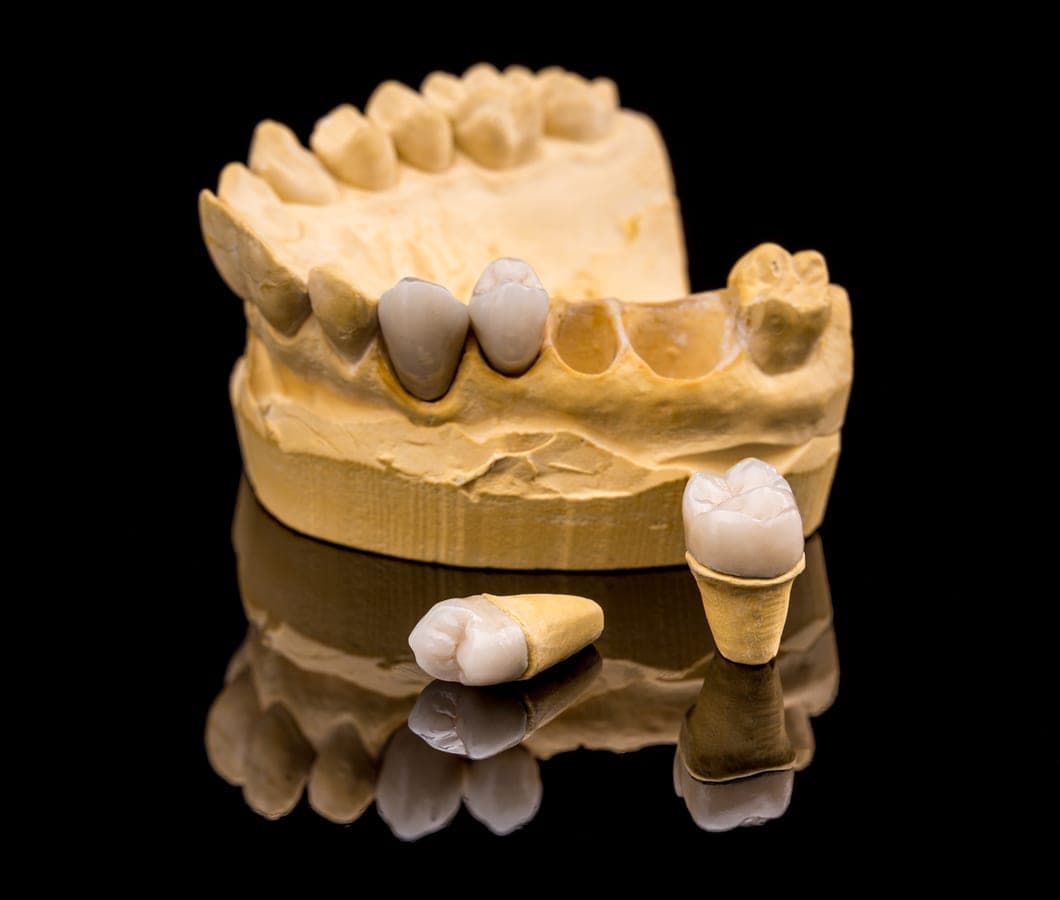
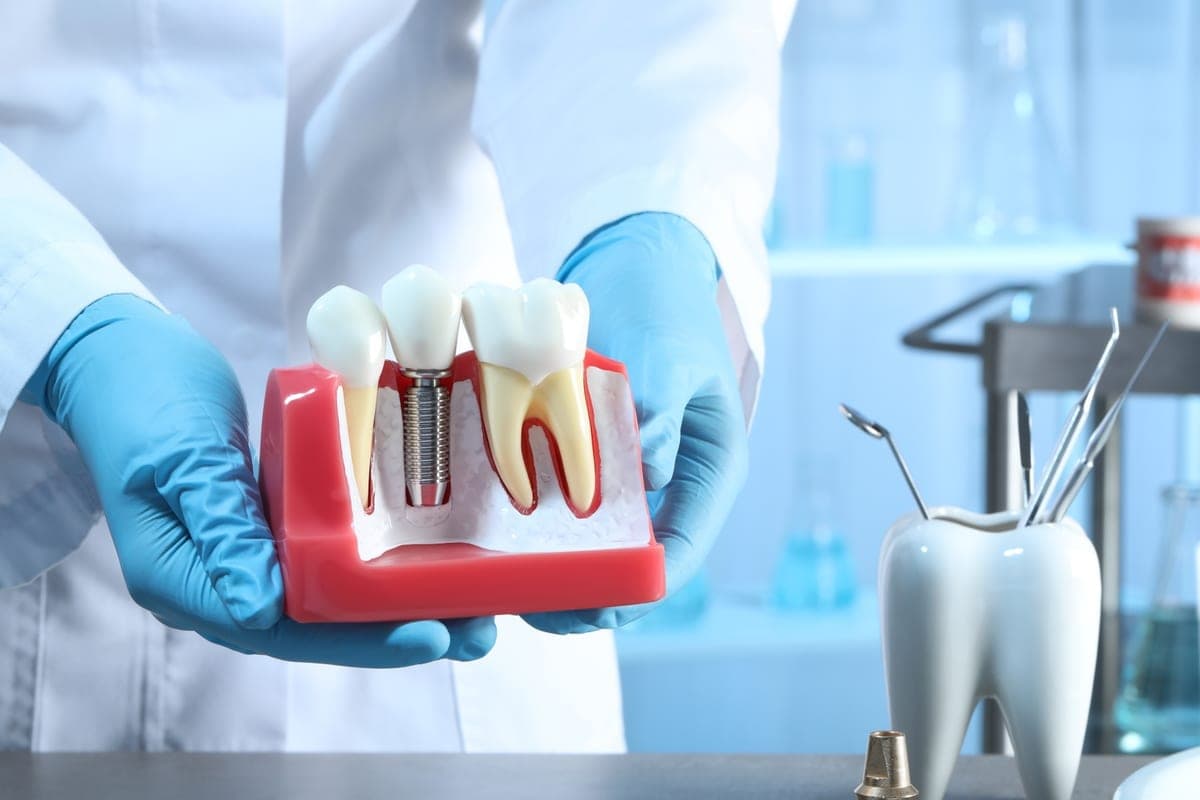
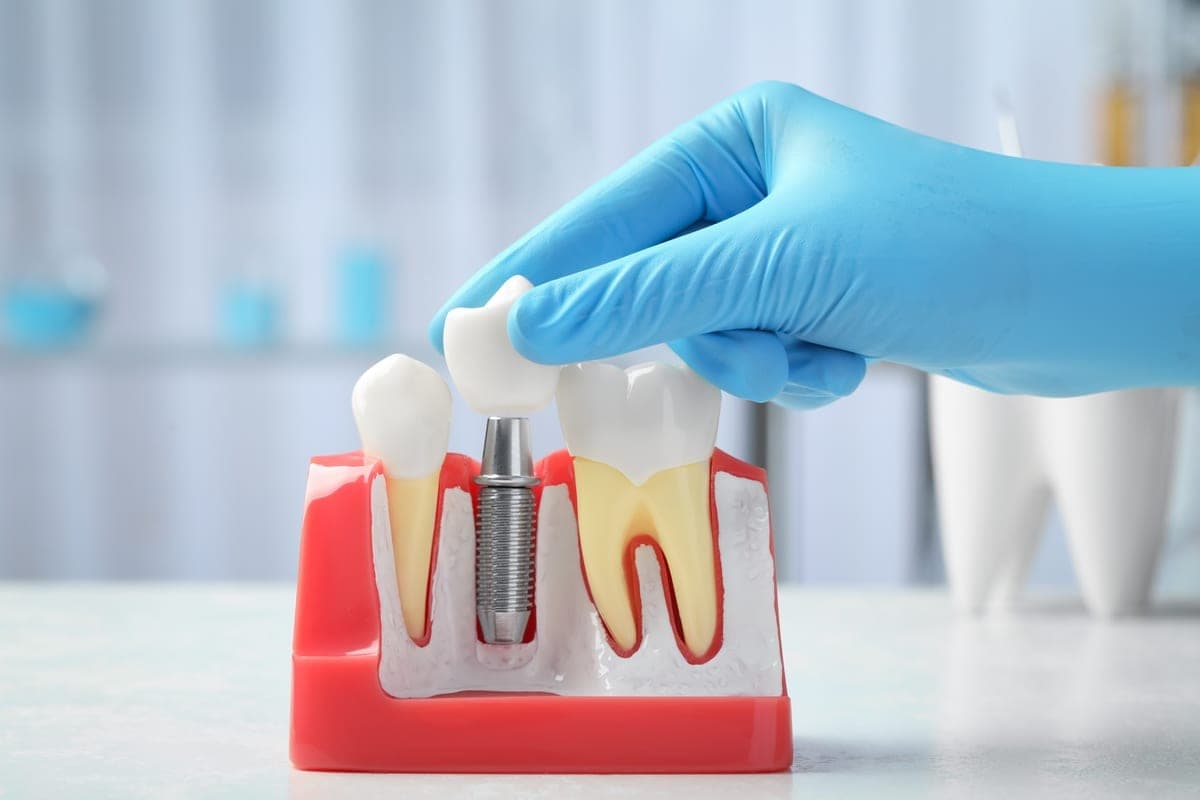
A dental crown is a custom-fitted cap that covers a damaged or weakened tooth, restoring its shape, strength and function. The three most common materials are porcelain, zirconia and metal, and each comes with its own strengths and trade-offs.
- Porcelain: made entirely of ceramic, closely mimicking the translucency and color of natural teeth.
- Zirconia: a high-strength ceramic made from zirconium dioxide.
- Metal: typically gold alloys or base metal alloys such as nickel or chromium.
Strength and Longevity: How Long Each Crown Lasts
Metal crowns have historically been the most durable option. With proper care they can last 20 to 30 years or more, resist wear and rarely crack under heavy biting forces.
Zirconia is a close second. These crowns can last 15 to 25 years with good oral hygiene, and because zirconia is extremely hard and fracture-resistant, it's an excellent choice for back teeth that handle heavy chewing.
Porcelain crowns are the least durable of the three, typically lasting 10 to 15 years. They can chip or crack under excessive force, although modern dental ceramics have improved significantly over the past decade.
- Metal crowns: 20–30+ years, most durable, ideal for molars
- Zirconia crowns: 15–25 years, very strong, suits back and front teeth
- Porcelain crowns: 10–15 years, most natural-looking, best for front teeth
Aesthetics: Which Crown Looks Most Natural?
If appearance is your priority, porcelain and zirconia lead the way. Porcelain offers the most lifelike translucency: light passes through it much like natural enamel, which is why it's the preferred choice for front teeth.
Zirconia has improved dramatically. Modern monolithic zirconia can be shaded and layered to look very natural, and while it may not perfectly replicate the depth of porcelain, it comes very close. Many dentists now favor zirconia because it pairs great looks with superior strength.
Metal is the least attractive option cosmetically. Its silver or gold color is clearly visible, so most patients reserve it for back molars hidden from view. At Boulevard Dental, Dr. Jason Kopakin recommends crowns based on both function and the smile you want, so cosmetic considerations always factor in, especially for visible front teeth.
Cost and Best Uses for Each Crown Type
Metal crowns are generally the most affordable upfront. They require less tooth reduction, which simplifies the procedure, and their long lifespan means fewer replacements over time.
Zirconia usually falls in the mid-to-high price range because the material costs more to produce. Its durability, however, often makes it a cost-effective long-term investment. Porcelain varies with complexity and can be priced comparably to zirconia, but if a porcelain crown chips and needs replacing, that adds to its lifetime cost.
Quick Guide: Matching Material to Situation
- Front teeth: porcelain or high-translucency zirconia for a natural appearance
- Back molars: metal or zirconia for maximum bite strength
- Grinding or bruxism: zirconia or metal to resist wear
- Large restorations: zirconia for strength with attractive results
- Budget-focused, hidden teeth: metal for excellent value and longevity
What Dr. Kopakin Will Likely Recommend
Tooth location matters most. Front teeth almost always receive porcelain or zirconia, while back teeth that bear heavy chewing loads often get zirconia or metal.
Your bite pattern is the next key factor. If you grind your teeth at night, you put extra stress on any crown, and metal and zirconia hold up better under that pressure. Dr. Kopakin assesses your bite during your consultation and builds it into his recommendation.
The surrounding teeth matter too. In some cases porcelain and zirconia are gentler on opposing teeth than metal. Your overall oral health and the reason you need the crown guide the final decision, and we'll make sure you understand every option before you choose.
If you break a tooth or develop dental pain before your scheduled visit, don't wait. Our emergency dentistry team can see you promptly, and fast care can protect the tooth and make crown placement easier.
The Bottom Line
There's no single best crown material for everyone. Metal wins on raw longevity and cost efficiency, zirconia offers the best balance of strength and natural appearance, and porcelain excels when mimicking natural teeth is the top priority.
The right choice depends on your tooth location, bite forces, aesthetic goals and budget. Dr. Jason Kopakin and the Boulevard Dental team will help you find a crown that feels good, looks great and stands the test of time.