

If you're an adult thinking about Invisalign in Clearwater, you've probably wondered how it stacks up against traditional braces. The answer is more nuanced than most people expect. Both treatments move teeth effectively, but they work very differently.
Dr. Jason Kopakin at Boulevard Dental is trained in Invisalign and works with adult patients every day. He knows adults have unique priorities: appearance, comfort and lifestyle flexibility all matter. This guide breaks down both options honestly so you can see which path fits your goals.
How Each Treatment Works
Traditional braces use metal brackets bonded to your teeth, with wires threaded through them to apply continuous pressure. The wires are tightened at regular appointments, gradually shifting your teeth into alignment.
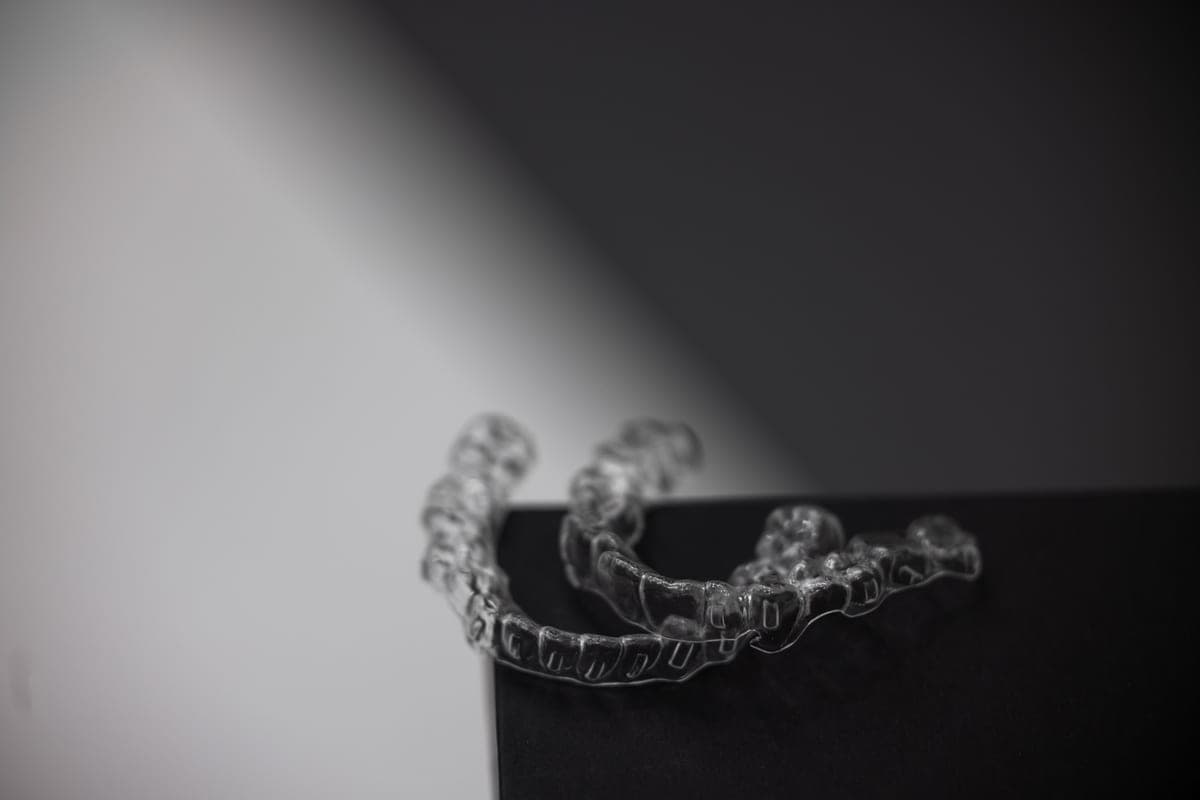
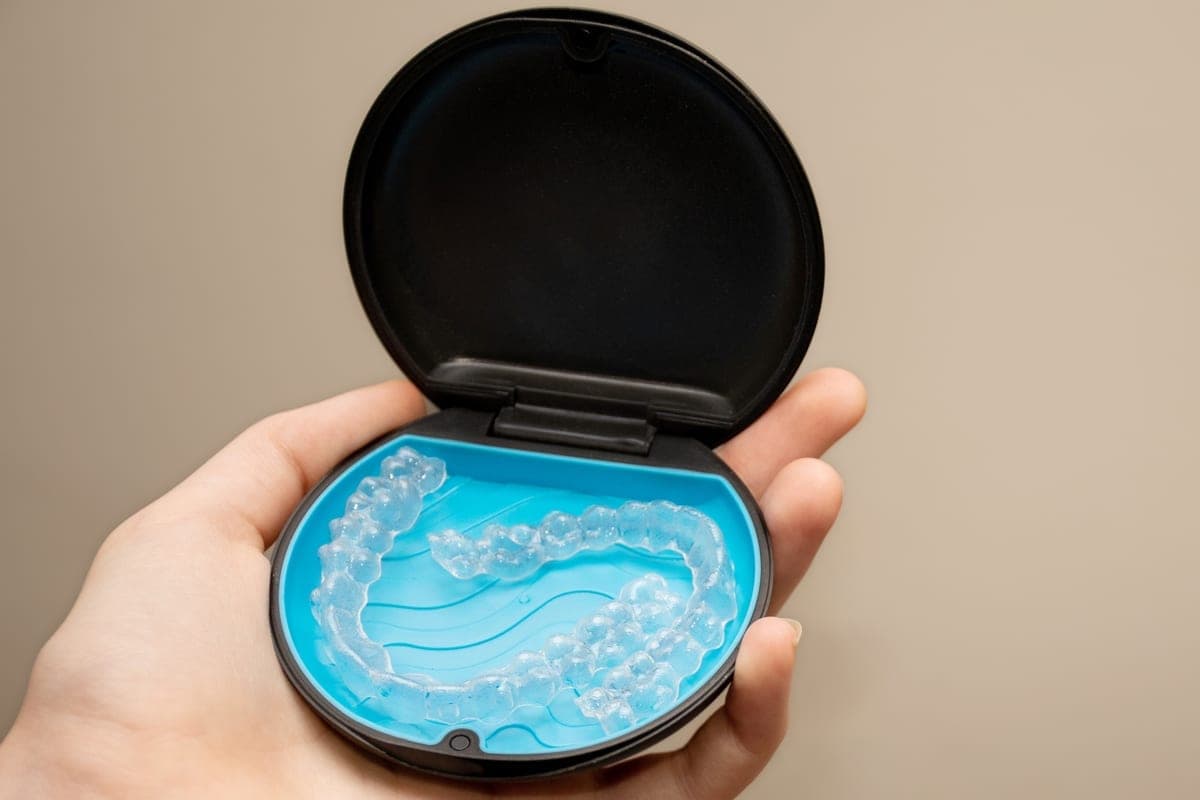
Invisalign uses a series of clear, custom-molded plastic aligners. You wear each set for about one to two weeks before moving to the next, and each one gently nudges your teeth a fraction of a millimeter at a time.
Both are clinically effective for most adult cases. The big difference is compliance: braces are fixed and work around the clock, while Invisalign requires the discipline to wear aligners 20 to 22 hours a day.
Comfort and Visibility
For most adults, appearance is the top concern. Metal braces are highly visible, can feel uncomfortable after tightening and come with food restrictions on hard, sticky or chewy foods. Invisalign aligners are nearly invisible in normal conversation, and because you remove them to eat, there are no dietary restrictions. On the flip side, removal can be inconvenient, and some patients notice mild speech changes early on.
- Visibility: braces use visible metal brackets and wires; Invisalign is clear and nearly undetectable
- Comfort: braces can irritate cheeks and gums and cause soreness after adjustments; Invisalign is smooth plastic with mild pressure when switching aligners
- Diet: braces restrict many foods; Invisalign has no restrictions
- Oral hygiene: braces make brushing harder; Invisalign comes out for easy cleaning
For adults with professional or social obligations, Invisalign usually wins on lifestyle. But comfort alone shouldn't drive your decision.
Treatment Scope: Which Handles More?
Braces have been the orthodontic gold standard for decades and excel at complex cases. Severe crowding, significant bite issues and major rotations often respond better to brackets, which give more precise control over tooth movement.
Invisalign has advanced dramatically over the past decade. Mild crowding, spacing issues and minor bite corrections are well within its range, and modern aligners can treat many moderate-to-complex cases. Still, some complex cases genuinely need braces for the best result.
Either way, healthy teeth and gums come first. Untreated decay or gum disease can complicate or delay treatment, so Dr. Kopakin evaluates your full oral health, and completes any needed periodontal care, before recommending an alignment approach.
Cost, Timeline and Compliance
Invisalign pricing is often comparable to braces, though complex cases may cost more. The right choice depends on your treatment needs, not the price tag alone.
Timelines differ too. Adult braces typically take 18 to 36 months, while Invisalign often takes 12 to 18 months for mild to moderate cases. More complex issues can extend Invisalign treatment considerably.
Before You Choose Invisalign, Consider This
- You must wear aligners 20 to 22 hours every day
- Skipping wear time slows treatment and can affect your final results
- You'll remove and reinsert aligners at every meal
- Aligners need regular cleaning to avoid staining and odor
- Lost or broken aligners require replacement, adding cost and delays
Adults who travel often, work in demanding environments or simply prefer a hands-off approach may actually prefer braces, which work constantly without active participation.
How to Choose
There's no single right answer for every adult. If appearance and flexibility top your list, Invisalign is likely a strong fit. If your case involves significant bite correction or complex movement, braces may deliver more predictable results. Both have transformed millions of adult smiles.
What matters most is a professional evaluation from a dentist who listens. Dr. Kopakin explains your options clearly and never pushes a treatment that doesn't match your needs. You deserve a straight, healthy smile that fits your adult life.