
Is professional teeth whitening in Clearwater safe for your enamel and gums? It's one of the questions Dr. Jason Kopakin hears most often at Boulevard Dental. The short answer: yes. When it's done correctly, professional whitening is considered safe for most healthy adults.
Understanding the details, though, helps you make the best decision for your smile. Here's what you should know.
How Professional Whitening Works
Professional whitening uses peroxide-based gels to break apart stain molecules inside the enamel. The concentration is higher than store-bought kits, which is why results are faster and more dramatic, and why proper supervision matters.
The active ingredient, hydrogen peroxide or carbamide peroxide, temporarily opens microscopic pores in enamel. Stains are lifted without removing enamel structure, and the pores naturally remineralize afterward. The process is well-studied and considered safe under professional guidance.
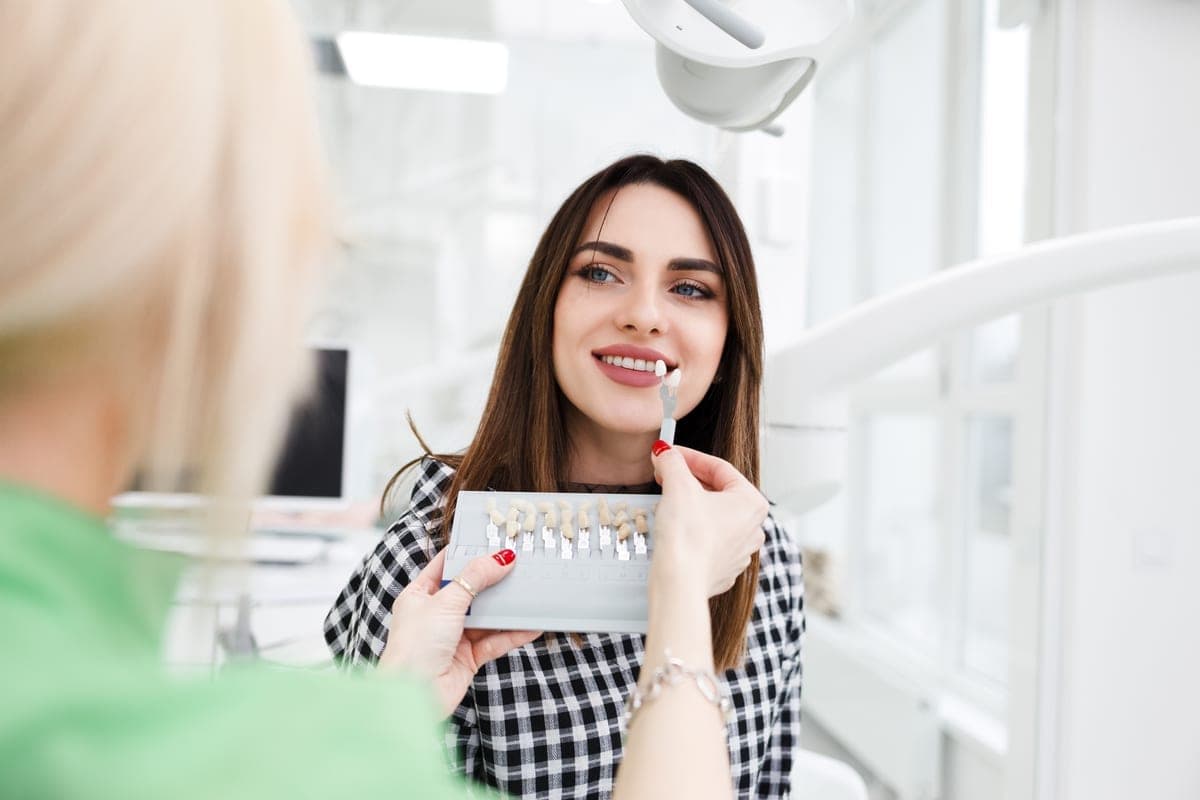
Dr. Kopakin uses clinically tested whitening systems designed to minimize contact with soft tissue. Custom-fitted trays or in-office barriers protect your gums, a level of precision over-the-counter strips simply can't match.
Is Whitening Safe for Your Enamel?
Enamel damage is the biggest concern patients raise. Research consistently shows that professionally applied whitening doesn't destroy enamel; studies published in dental journals confirm no significant mineral loss at standard clinical concentrations. The key is following recommended exposure times.
Problems start with overuse. Excessive or repeated whitening outside professional guidelines can temporarily soften enamel. That's why Dr. Kopakin tailors the frequency and concentration of every whitening plan to the patient.
- Professionally supervised whitening does not etch or erode healthy enamel
- Peroxide temporarily opens enamel pores but does not cause permanent damage
- Enamel remineralizes naturally within 24–48 hours after treatment
- Fluoride toothpaste after whitening supports remineralization
- Over-whitening or using high-concentration products unsupervised carries real risks
Protecting Your Gums
Peroxide gel that touches gum tissue can cause temporary irritation, usually white spots or mild soreness that resolve within a day or two. Professional application greatly reduces this risk: custom trays keep gel off soft tissue, and in-office treatments use a protective barrier painted directly onto the gums.
Some patients feel heightened sensitivity after treatment. It's normal and typically temporary. Using a sensitivity toothpaste before and after your appointment helps significantly, and Dr. Kopakin may recommend a lower-concentration gel if your gums are naturally more reactive.
Who Should Wait Before Whitening?
Whitening isn't right for everyone at every moment. Talk with Dr. Kopakin first if any of these apply to you:
- Active tooth decay or cavities: whitening should happen after decay is treated
- Gum disease or severe gum recession
- Highly sensitive teeth or exposed dentin
- Existing crowns, veneers or composite bonding: whitening does not change restorations
- Pregnancy or nursing: whitening is generally postponed as a precaution
- Children and teenagers whose enamel is still developing
None of these rules whitening out permanently. Addressing them first simply leads to safer, better results, and a comprehensive exam makes sure you whiten at the right time.
Professional Whitening vs. Store-Bought Kits
Strips and generic trays can work to a degree, but they carry more risk. Ill-fitting trays let gel leak onto your gums, and lower-quality formulas may lack the buffering agents that minimize sensitivity. Professional whitening offers clear advantages:
- Higher-quality peroxide formulas with protective buffering agents
- Custom trays that fit your exact bite and tooth shape
- A pre-treatment exam to catch issues before they become problems
- Professional guidance on frequency and aftercare
- Results that are noticeably whiter and longer-lasting
Before, During and After Your Appointment
Before
Dr. Kopakin performs a thorough exam and addresses any cavities or gum inflammation first. You may also have a professional cleaning to remove surface stains beforehand.
During
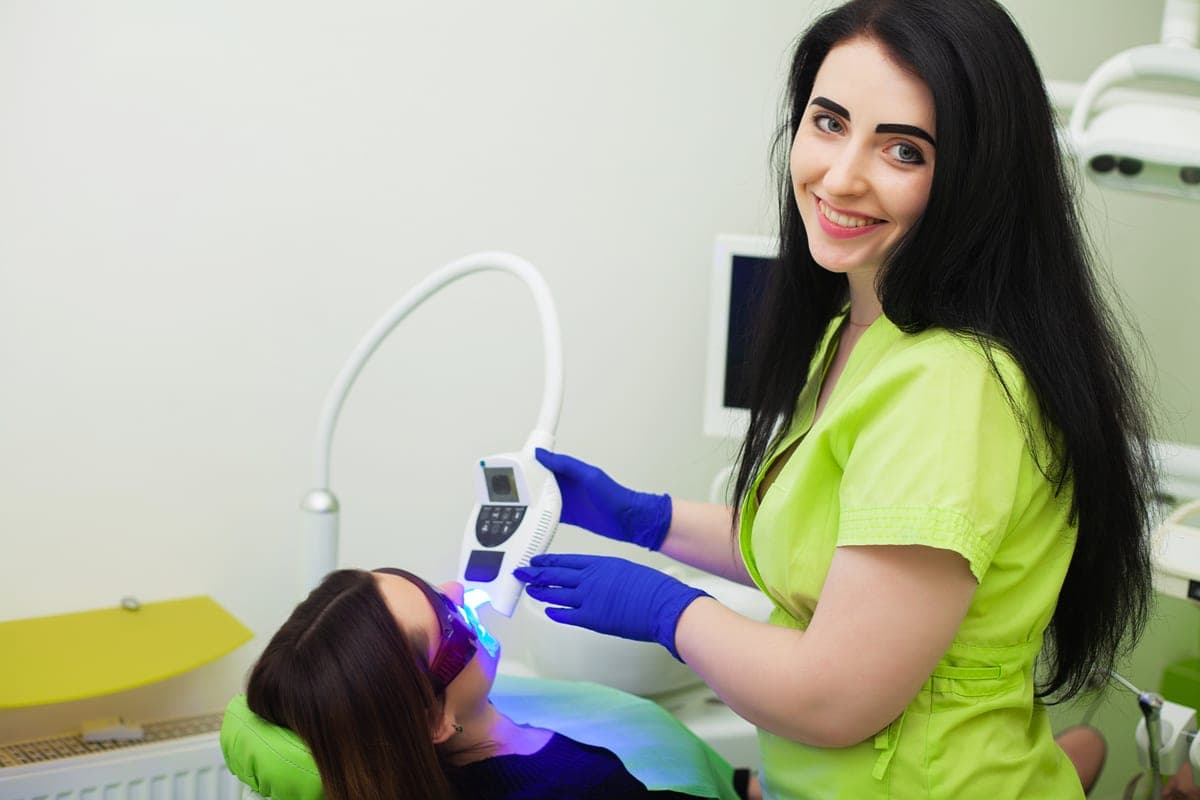
Your gums are protected with a barrier or custom tray, and the gel is applied carefully and monitored throughout. Most in-office sessions take about 60 to 90 minutes. Some sensitivity during or right after treatment is possible.
After
Avoid deeply pigmented foods and drinks like coffee, red wine and dark berries for 24–48 hours, and rinse with water if you do have them. A sensitivity toothpaste for a few days helps calm mild discomfort. If you notice unusual pain or swelling, contact us promptly. Your safety and comfort always come first.