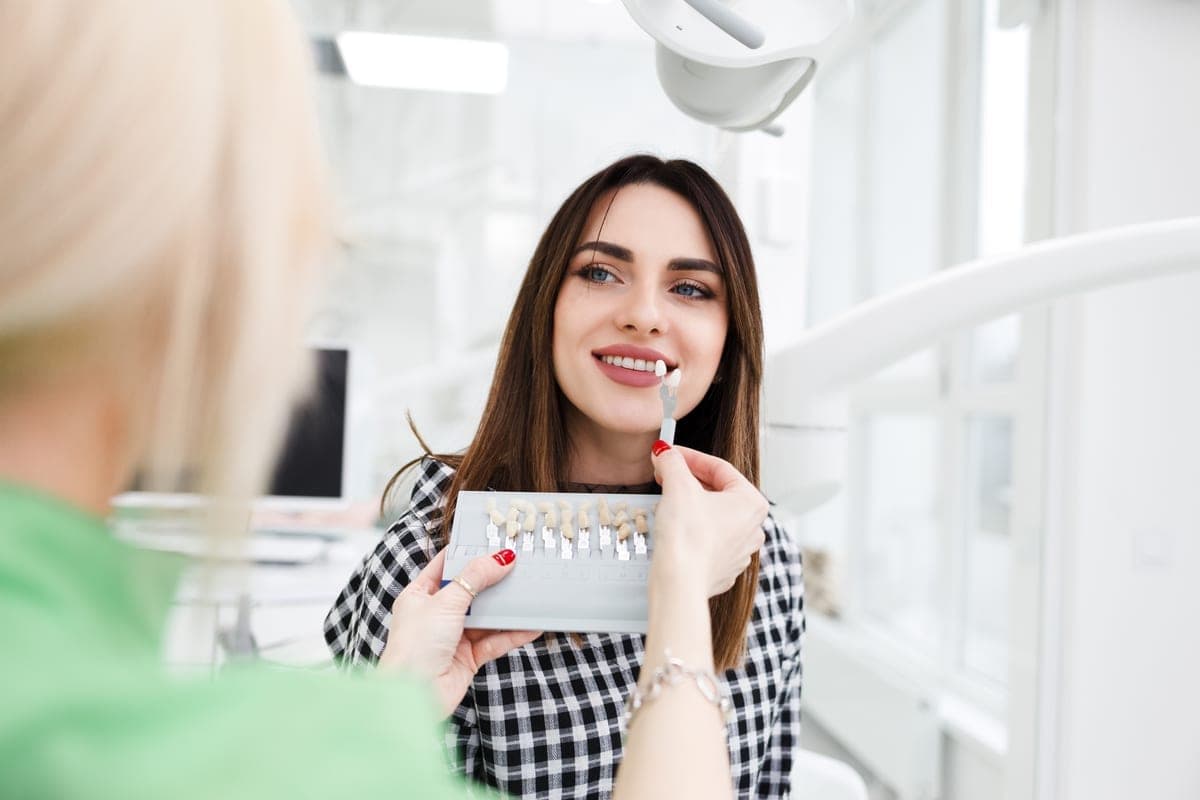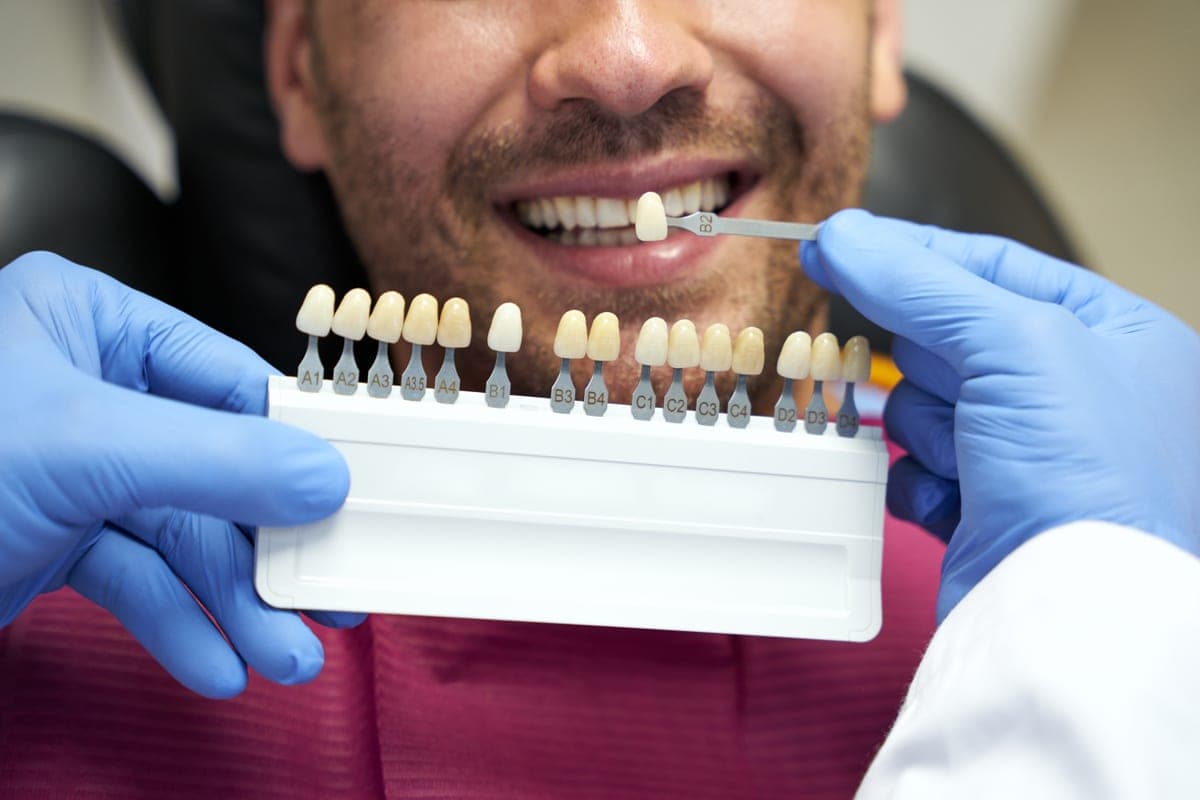

Many patients are surprised to learn that professional teeth whitening in Clearwater can last years, not months. Most people assume fading is fast and inevitable, but longevity depends almost entirely on your daily habits. Once you know what shortens your results, and what protects them, you're in control.
At Boulevard Dental, Dr. Jason Kopakin helps patients keep their smiles bright long after treatment ends. Whether you whitened recently or are planning to, here are the habits and maintenance steps that make the difference.
How Long Do Whitening Results Really Last?
Professional whitening results typically last anywhere from six months to three years. That wide range isn't random: it reflects the real impact of lifestyle and oral hygiene. Patients who take maintenance seriously consistently land at the longer end.
In-office whitening penetrates deeper into enamel than over-the-counter strips, giving you a stronger, more durable result. But enamel is naturally porous, and it will absorb pigments from food, drinks, and tobacco over time.
Here's the key insight: whitening doesn't permanently change your enamel. It removes staining compounds. Your job afterward is to slow their return, and that's entirely achievable with simple, consistent habits.
The Habits That Fade Your Results Fastest
Coffee is one of the most common culprits. Its dark pigments and acidity make enamel more prone to staining, and even one cup a day can visibly dull your results within weeks if you're not careful.
Red wine contains tannins and chromogens, compounds that bond aggressively to enamel. White wine is less pigmented but highly acidic, which softens enamel and leaves it more vulnerable to stains from other foods.
Smoking and tobacco are among the worst offenders. Nicotine and tar penetrate deep into enamel, and smokers often see results fade significantly within a few months. Quitting or cutting back dramatically extends your results. Other common stainers include:
- Dark berries such as blueberries and blackberries
- Tomato-based sauces and curries
- Soy sauce and balsamic vinegar
- Dark sodas and sports drinks
- Tea, especially black and green varieties
You don't have to give these up entirely. Being mindful, and rinsing with water afterward, goes a long way.
Simple Maintenance That Keeps Your Smile Bright
Protecting your results doesn't require a lifestyle overhaul. Small, consistent habits add up. First, rinse with water right after staining foods or drinks; it takes ten seconds and flushes pigment before it settles. Second, use a whitening toothpaste two to three times a week, alternating with a gentle fluoride toothpaste, since daily use can be abrasive. Look for low-abrasivity, ADA-approved formulas.
- Brush twice daily with a soft-bristled toothbrush
- Floss every night to remove plaque that causes discoloration
- Drink staining beverages through a straw
- Schedule professional cleanings every six months
- Ask Dr. Kopakin about take-home touch-up trays
- Avoid smoking or tobacco in any form
Touch-up trays are especially valuable. A short at-home session every three to six months refreshes your results without a full in-office treatment, which is far more cost-effective and keeps your smile consistently bright.
When to Schedule a Touch-Up
Even with great habits, results gradually fade, and that's completely normal. Most patients benefit from a touch-up once or twice a year. If your smile looks noticeably duller in photos, that's a reliable sign. Don't wait for heavy staining; lighter stains respond faster and better.
Your regular six-month cleaning is the perfect time to check in. Dr. Kopakin can evaluate your enamel and recommend a touch-up schedule that fits your habits and goals.
Mild sensitivity after whitening is common and should resolve within a day or two. Persistent pain deserves a prompt visit, and our emergency dentistry team is here for urgent concerns.
How Whitening Fits Into Your Bigger Smile Goals
Whitening is one of our most popular cosmetic treatments: non-invasive, fast, and dramatic. For many patients, it's also the first step in a broader transformation. Some combine it with Invisalign to straighten and brighten; others pair it with veneers.
Sequence matters. Whitening before veneers or crowns is especially important, because restorations are matched to your natural tooth color. Dr. Kopakin takes time to understand your full goals before recommending a plan.
There's a bonus, too: patients who invest in whitening tend to become more motivated about daily oral care, and that pays off far beyond appearance. Pair professional treatment with smart habits and your results can last for years.