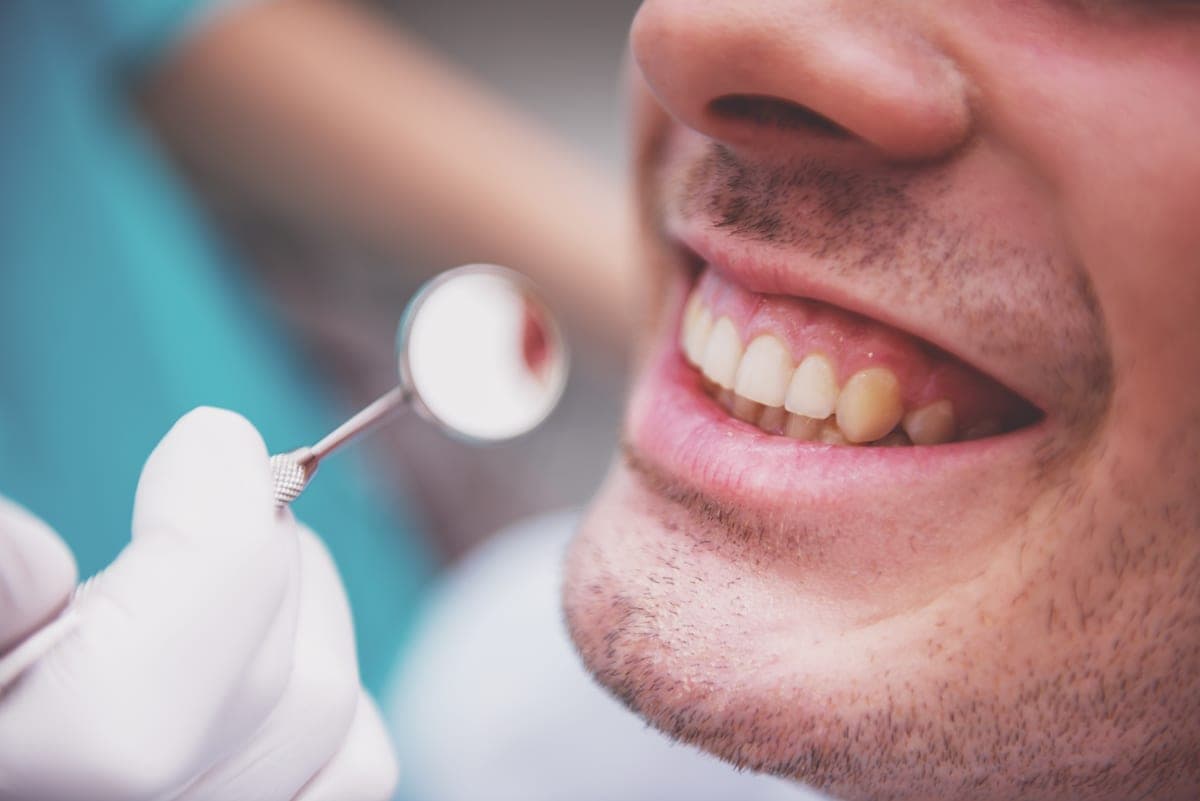


Most people know they should schedule dental cleanings and exams twice a year. Far fewer know what actually happens once they sit down in the chair at our Clearwater office.
Understanding each step helps you feel confident and prepared, and it shows why skipping these visits can cost you far more down the road. At Boulevard Dental, Dr. Jason Kopakin and our hygiene team take a thorough, patient-centered approach. Here's exactly what goes on.
Step 1: A Full Mouth Assessment
Before any tools come out, your hygienist reviews your health history and any updates since your last visit: new medications, health conditions or dental concerns. Changes in your overall health can directly affect your mouth.
Next, your hygienist examines your gums, teeth and soft tissues for redness, swelling, recession or anything unusual. This sets the direction for the rest of the appointment and creates a baseline for future visits. Many patients are surprised to learn this assessment is as important as the cleaning itself, because early warning signs caught now prevent serious problems later.
Step 2: Scaling Away Plaque and Tartar
Scaling removes plaque and tartar (also called calculus) from your teeth. Plaque is a soft, sticky film of bacteria; tartar is what forms when plaque hardens and brushing alone can't remove it.
Your hygienist uses a small instrument called a scaler to carefully remove buildup above and below the gumline. An ultrasonic scaler, which vibrates at high frequency, may also be used to break up larger deposits. Both are safe and effective in trained hands. During this step, your hygienist watches for:
- Tartar buildup near the gumline or between teeth
- Early signs of gum inflammation or bleeding
- Pockets between teeth and gums that may signal deeper issues
- Areas where plaque is consistently missed during home brushing
Significant buildup below the gumline may call for a deeper cleaning. Left untreated, it's one of the leading causes of gum disease.
Step 3: Polishing and Professional Flossing
Next, your hygienist polishes your teeth with a slightly gritty prophylaxis paste applied by a small rotating rubber cup. It buffs away surface stains and the last traces of loosened plaque, leaving teeth smooth and visibly brighter. It isn't a substitute for whitening, but many patients say it's their favorite part.
Professional flossing follows. Even if you floss daily, your hygienist reaches spaces you may have missed and checks for tight contacts or spots where gums bleed easily. These are important clinical signals, not just cosmetic ones.
- Removes surface stains from coffee, tea and foods
- Identifies tight or rough contacts between teeth
- Detects early gum sensitivity or bleeding points
- Leaves a fresh, clean feel that motivates better home care
Step 4: Measuring Your Gums
One of the most important parts of your visit is periodontal probing. Your hygienist uses a thin, blunt probe to measure the pockets around each tooth. Healthy pockets measure one to three millimeters; anything deeper may signal gum disease.
These numbers are recorded and tracked over time. If they're getting worse, bacteria are reaching deeper below the gumline, and Dr. Kopakin and the team can act early, before minor gum issues become serious bone loss. This tracking is what makes professional cleanings so much more valuable than brushing and flossing alone, especially if you have a history of gum problems.
Step 5: Fluoride and Your Home Care Plan
Your hygienist may finish with a fluoride treatment, in gel, foam or varnish form, to strengthen enamel and protect against cavities between visits. It takes just a few minutes.
Before you leave, you'll get personalized home care tips based on what your hygienist observed, from brushing technique to flossing tools to areas that need extra attention. Ask questions here. Patients who follow these recommendations see measurable improvement at their next visit.
Every Step Protects Your Smile
From the initial assessment to the final fluoride treatment, every part of your appointment is designed to protect your long-term oral health. Skipping visits lets tartar harden and gum changes go unnoticed, and that's when small issues turn into bigger, costlier treatment. Dr. Kopakin and the Boulevard Dental team make the process comfortable, thorough and educational, so you leave knowing exactly where your smile stands.