

Are you actually a good candidate for dental implants in Clearwater? Many patients ask this before their first consultation, and the answer depends on a few important factors. Dr. Jason Kopakin at Boulevard Dental helps patients understand exactly what candidacy means for them.
Implants are one of the most effective ways to replace missing teeth. They look, feel and function like natural teeth. Not everyone qualifies right away, and that's okay. Knowing the requirements ahead of time helps you prepare and set realistic expectations.
What Makes a Good Implant Candidate?
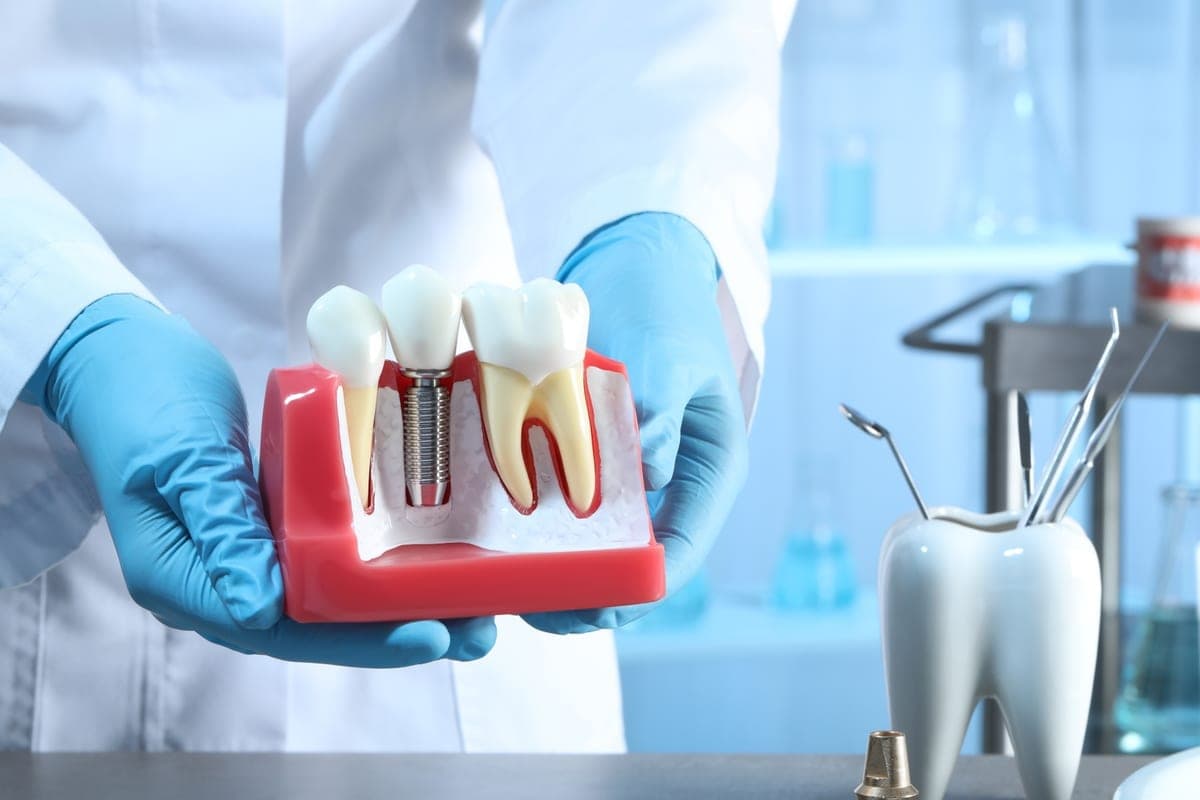
A good candidate is generally an adult in reasonable overall health, with enough jawbone density to support the titanium post and healthy gums free of active infection. Your commitment to long-term oral hygiene matters enormously too.
Most adults missing one or more teeth can qualify with the right preparation. Even if you don't qualify today, many patients become candidates after preparatory treatment. Think of your first evaluation as a starting point, not a final verdict. Dr. Kopakin looks at:
- Bone density: enough jawbone volume to anchor the implant post
- Gum health: no active periodontal disease or untreated infection
- Overall health: chronic conditions like diabetes under control
- Age: a fully developed jawbone, typically after age 18
- Lifestyle habits: smoking status and oral hygiene routine
- Commitment: willingness to follow aftercare instructions
Does Age Affect Candidacy?
Yes, but maybe not the way you'd expect. Younger patients must wait until the jaw is fully developed, typically around age 17–18 for women and slightly later for men. Placing an implant before then can cause long-term alignment problems.
There's no upper age limit. Older adults often make excellent candidates, and many patients in their 70s and 80s receive implants every year. What matters most is your current bone health and medical condition. If age-related bone loss has reduced jaw density, bone grafting can often restore enough volume, and Dr. Kopakin uses a detailed 3D scan to assess your bone before recommending next steps.
Bone Density and Gum Health
Bone density is one of the most critical factors in implant success. The titanium post needs solid bone to fuse with through a process called osseointegration. Without enough bone, the implant can't anchor properly and may fail over time.
When bone loss has occurred, often from a long-standing gap or past gum disease, a graft may come first. It adds time to treatment but significantly improves outcomes.
Active gum disease must be treated before implant surgery, because placing an implant in an infected environment dramatically increases the risk of failure. Once your gums are healthy, placement can proceed safely. Regular checkups catch gum disease and bone changes early, giving you more options and better results.
Smoking and Medical Conditions
Smoking is one of the most significant risk factors for implant failure. Nicotine restricts blood flow to the gums and slows healing, making it harder for the implant to fuse with bone. Studies consistently show higher failure rates among smokers.
Still, smoking doesn't automatically disqualify you. Many patients who quit before and during healing achieve excellent results, and Dr. Kopakin will talk honestly with you about the risks and how to improve your odds.
Some health conditions need careful planning:
- Diabetes: well-controlled blood sugar allows for safe placement
- Osteoporosis: a medication review is needed, especially with bisphosphonates
- Heart conditions: medical clearance from your physician may be required
- Autoimmune disorders: each case is evaluated individually
- Blood thinners: dosage adjustments may be coordinated with your doctor
A health condition doesn't take implants off the table. It simply means more careful planning, and Dr. Kopakin works with your physicians when your medical history is complex.
Not a Candidate Yet? Here's What Happens Next
Needing a step or two first is more common than most patients realize. That might mean bone grafting, periodontal treatment or better management of a health condition, all of which lead to more predictable results.
The key is starting the conversation early. Dr. Kopakin gives you a clear, pressure-free roadmap at your consultation, and from your first evaluation to your final restoration, every step happens with experienced hands at our Clearwater office.