
Dental implants are one of the most researched and trusted ways to replace missing teeth, yet most patients still have questions before committing. At Boulevard Dental in Clearwater, we hear the same concerns week after week.
Here are the questions patients actually type into search engines, answered honestly and clearly.
What Exactly Is a Dental Implant?
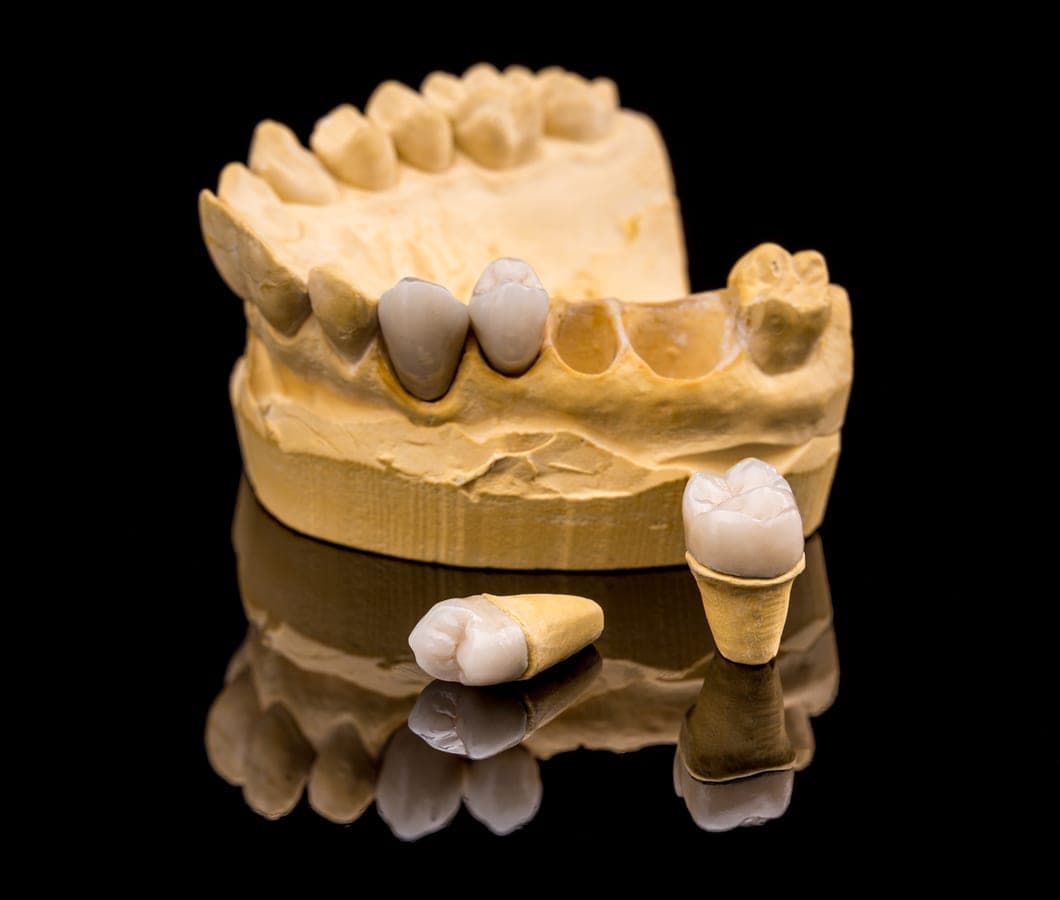
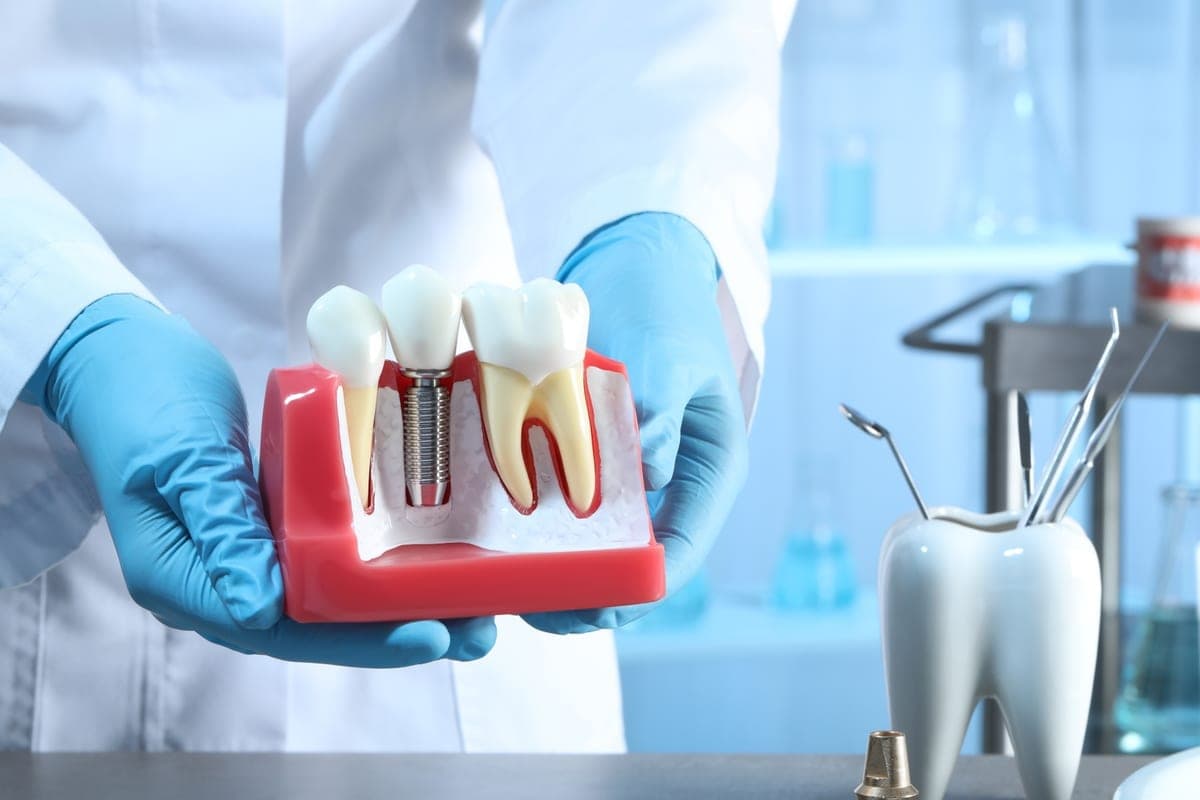
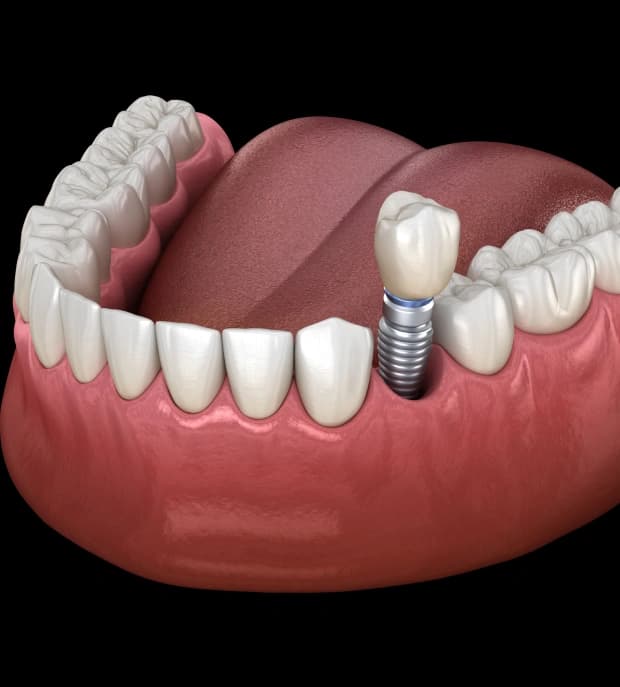
A dental implant is a small titanium post placed into the jawbone to act as an artificial tooth root. Over time, the bone fuses around the post in a process called osseointegration. Once healed, a custom crown is attached on top.
The result looks, feels and functions like a natural tooth, and unlike dentures, it isn't removable. With proper care, implants can last many decades, which makes them one of the most cost-effective options over a lifetime.
Am I a Good Candidate?
Most healthy adults with missing teeth are potential candidates. Good candidates have enough jawbone density to support the implant, healthy gums and no untreated infections.
Some situations call for extra evaluation, including uncontrolled diabetes, smoking and significant bone loss, so we review your full health history before recommending treatment. If your jaw has lost density, which is common when a tooth has been missing for several years, a bone graft can rebuild the foundation first.
How Long Does the Process Take?
The full process typically spans three to nine months, depending on how quickly you heal and whether grafting is needed. Most of that time is simply waiting for bone to fuse with the implant.
- Consultation and imaging to assess bone and gum health
- Tooth extraction, if the damaged tooth is still present
- Bone graft and healing period, if required
- Implant post placement into the jawbone
- Osseointegration healing, usually two to four months
- Abutment placement to connect the post and crown
- Custom crown fabrication and final placement
Chair time at each visit is relatively brief. The longer timeline is driven by biology, not procedure complexity, because your body needs time to heal correctly at each stage.
Will the Procedure Hurt?
Placement is performed under local anesthesia, and most patients report feeling pressure rather than sharp pain. Soreness afterward is normal and usually managed with over-the-counter pain relievers. Swelling and mild discomfort typically peak around day two or three.
Many patients are surprised by how manageable recovery is. Following your aftercare instructions makes a big difference, and cold compresses and soft foods help significantly in the first few days.
Can I Drive Myself Home?
If only local anesthesia is used, most patients can drive themselves home. If you choose sedation for comfort, you'll need a driver, so confirm the plan with our team beforehand. Rest for the remainder of the day, and avoid strenuous activity for 48 to 72 hours. Light walking is fine, but intense exercise can increase swelling and bleeding.
How Do I Care for My Implant?
Care is straightforward: brush twice daily and floss around the implant just as you would natural teeth. Routine dental cleanings are essential to long-term success.
- Use a soft-bristled toothbrush to avoid irritating the gums
- Floss carefully around the implant and crown every day
- Avoid chewing hard objects like ice or pen caps
- Keep your scheduled follow-up visits
- Call us promptly if you notice unusual pain or movement
Implants can't get cavities, but the surrounding gums can still develop problems. Peri-implantitis is a gum condition similar to gum disease, and consistent home care plus professional cleanings help prevent it.
How Do Implants Compare with Dentures or Bridges?
Unlike bridges, implants don't rely on neighboring teeth for support. Unlike dentures, they're fixed in place and won't shift while you eat or speak, and they never need adhesives. That stability makes a real difference to daily confidence.
Implants also stimulate the jawbone, which helps prevent bone loss. Dentures and bridges don't offer this benefit, and over time untreated bone loss can change the shape of your face.
What If I Ignore a Missing Tooth?
Tooth loss rarely resolves itself. Neighboring teeth can drift toward the gap, bone loss at the site begins within the first year, and chewing often suffers, affecting nutrition and digestion.
The longer a tooth has been missing, the more preparation may be required. An early consultation gives you the most options with the least complexity.
Is Late Spring a Good Time to Start?
It's a great time. As the school year winds down, schedules open up and multiple appointments become easier to fit in. Starting now lets healing progress through the warmer months, and many patients complete their final crown just in time for fall. An implant consultation can even make a meaningful Mother's Day gift.