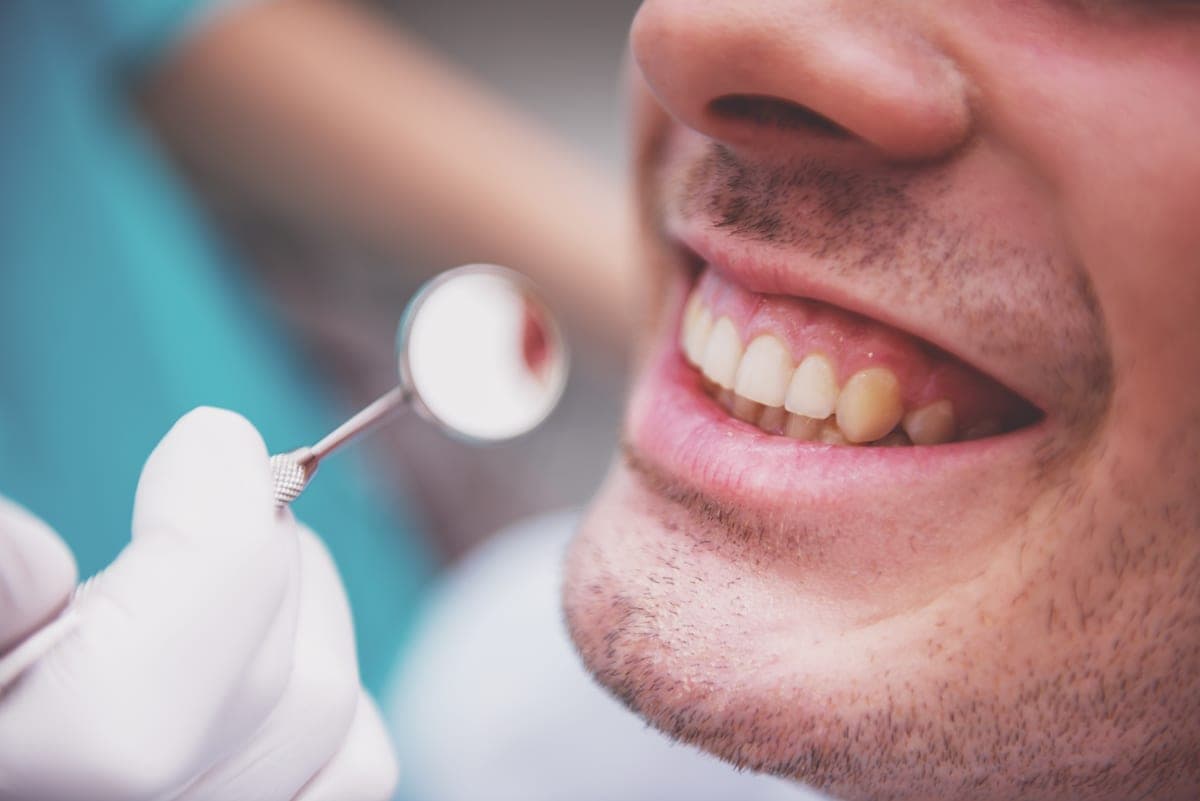


You've probably heard it your whole life: see the dentist every six months. But where does that advice come from, and is it right for you? Understanding why dental cleanings and exams in Clearwater are scheduled this way, and when you need more, helps you take smarter control of your oral health.
At Boulevard Dental, Dr. Jason Kopakin believes informed patients make better decisions for their smiles. Here's what you should know.
Where the Six-Month Rule Comes From
The twice-yearly recommendation dates back decades and was largely popularized through early dental marketing in the mid-20th century. Since then, modern research has added real clinical evidence behind it for many patients.
Most people accumulate tartar within about six months of a professional cleaning. Once it forms, brushing and flossing alone can't remove it, and that buildup creates an environment where harmful bacteria thrive beneath the gumline.
For the average healthy adult, a six-month interval keeps tartar manageable and gives your dentist a regular window to catch problems early. A small cavity caught now costs far less, financially and physically, than an advanced one later. In Florida's warm, humid climate, oral bacteria stay active year-round, which makes regular visits even more valuable.
What Happens at a Six-Month Checkup
A checkup is much more than a cleaning. Each visit includes several steps that protect your overall health:
- Comprehensive exam: Dr. Kopakin checks your teeth, gums, bite and soft tissues for changes
- Dental X-rays: these reveal decay, bone loss or issues hidden between teeth and below the gumline
- Professional cleaning: your hygienist removes tartar and polishes surfaces home care misses
- Oral cancer screening: early detection dramatically improves outcomes
- Personalized guidance: tailored advice on brushing, flossing, diet and any concerns
Together, these steps create a full picture of your oral health. Skipped visits leave gaps in that picture, and gaps can grow into serious problems. Think of each appointment as a health checkpoint, not just a cleaning.
When Two Visits a Year Isn't Enough
Six months is a solid baseline, not a one-size-fits-all rule. Dr. Kopakin may recommend three or four visits a year if any of these apply:
- Gum disease: active or past periodontal disease requires closer monitoring and more frequent deep cleanings
- Diabetes: high blood sugar weakens the immune response, making gum infections harder to control
- Dry mouth: saliva fights bacteria naturally, so medications or conditions that reduce it sharply raise cavity risk
- Heavy smoking or tobacco use: significantly higher risk of gum disease and oral cancer
- Braces or orthodontic appliances: hardware creates more places for plaque to hide
- Pregnancy: hormonal shifts increase susceptibility to gum inflammation and bleeding
- Frequent cavities: genetics, diet or enamel strength can make some people more prone to decay
More frequent visits aren't a punishment for poor hygiene. They're a proactive investment in your health.
Local Factors That Affect Your Dental Health
Clearwater's year-round warmth keeps residents active outdoors, and sports drinks and sugary beverages, popular for hydration, are among the top contributors to enamel erosion and cavities.
Time in the sun also means more exposure near the lips and oral tissues, so Dr. Kopakin includes a thorough soft tissue check at every visit. And a vibrant social lifestyle, with dining out, alcohol and travel, creates windows where habits slip. A consistent visit schedule catches the effects before they escalate.
An established relationship also pays off when the unexpected happens. If you crack a tooth or develop a sudden toothache between visits, you already have a trusted dentist ready to help.
Prevention Is the Foundation for a Beautiful Smile
Many patients come to us with both health and cosmetic goals, and preventive visits are the perfect foundation for both. Healthy teeth and gums respond better to veneers, whitening and Invisalign, and the results last longer and look better.
Dr. Kopakin takes time at each checkup to talk about your smile goals and which treatments make sense for your current oral health. Prevention and aesthetics work best together, and finding the right visit frequency is where it all starts.